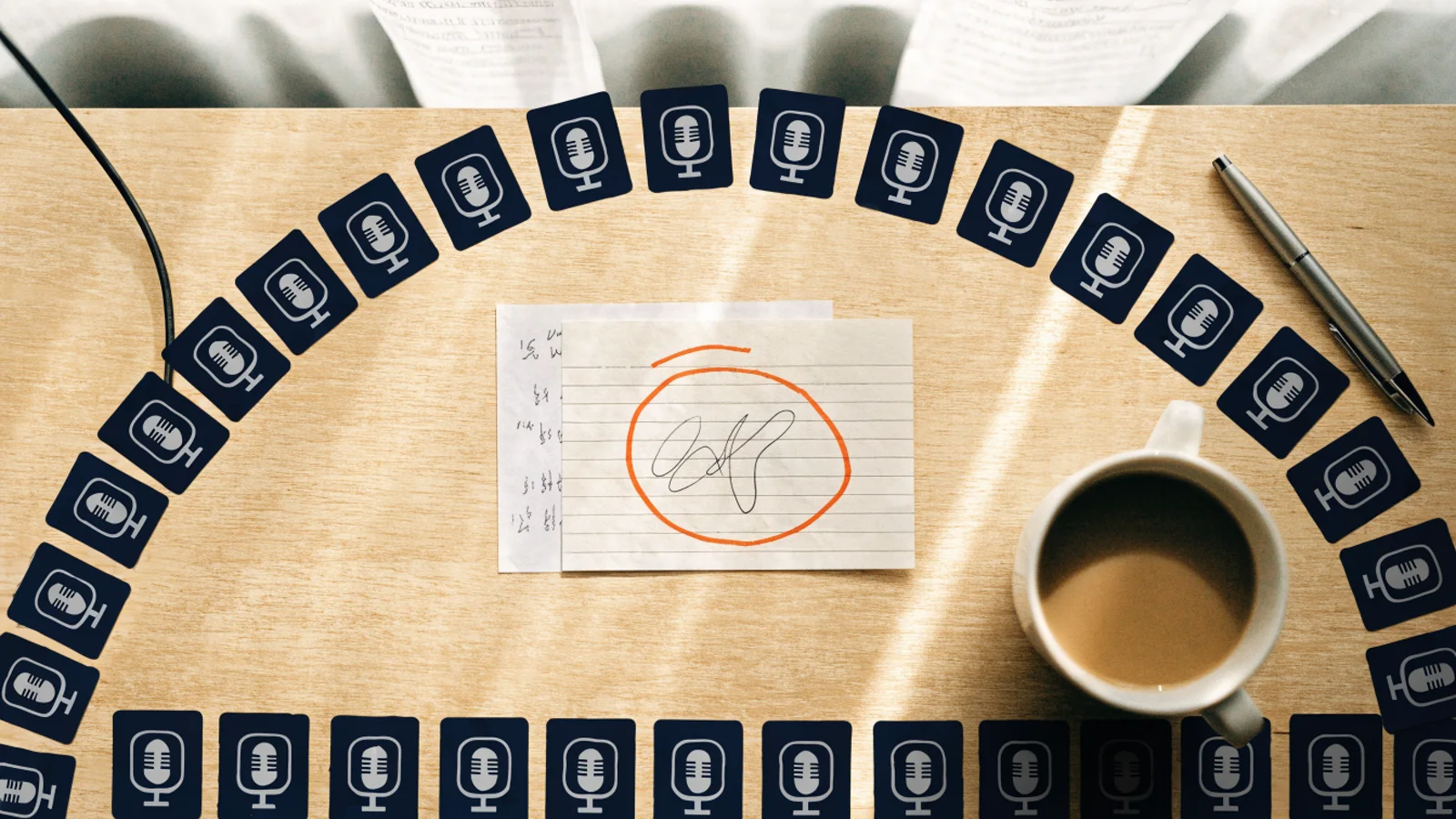


In 2019, a podcast launched with a $500 microphone, proper soundproofing, a professional intro jingle, and a 20-page brand guide. The host spent six weeks preparing before recording podcast one.
The podcast is gone now. It published eight podcasts before the host ran out of steam and the feed went silent.
That same year, another show launched from a car. The host recorded their commute three times a week: raw thoughts, barely edited, no music, occasionally interrupted by traffic. That show now has 180,000 subscribers.
This isn't a point about audio quality. It's a point about what actually builds an audience.
The metric that matters
Most new podcasters obsess over the wrong metrics. They tweak their artwork. They re-record their intro. They agonize over whether the EQ sounds right. These things feel like progress because they're measurable and controllable.
The metric that actually predicts a show's success? Return rate. Are people coming back for the next podcast?
Return rate is built on one thing: trust that the next podcast will show up. When you publish consistently, listeners adjust their habits around you. Your show gets folded into their morning run, their commute, their lunch break. It becomes part of a routine. And routines are sticky — they don't require the listener to consciously decide to come back. They just do, because that's what they do on Tuesday.
The production trap
The production trap works like this: you care about quality, so you spend more time on each podcast. The more time you spend, the more you raise your own standards. The higher your standards, the longer the gap between podcasts. The longer the gap, the harder it is to restart. Eventually, the show dies.
It's a trap because it looks like diligence. It feels like doing good work. But what it actually is, in terms of the podcast's survival, is procrastination with extra steps.
The shows that break through are almost never the ones with the best production. They're the ones that showed up, week after week — especially when the podcast wasn't perfect.
Lower the bar to raise the floor
The most important creative decision you can make about your podcast isn't what microphone to buy. It's to decide, in advance, what "good enough" looks like — and then commit to staying above that floor and getting the podcast out.
Good enough might mean: correct information, delivered clearly, with genuine enthusiasm. That's a workable floor. It's achievable in a reasonable amount of time.
The interesting thing about consistently meeting a floor is that your floor quietly rises over time. Your instincts sharpen. Your delivery improves. Your structure gets tighter. But that only happens if you keep publishing. The people who hold out for perfect never get to discover what good enough eventually becomes.
What to do with this
Publish your next podcast before it's ready. You know it well enough. Hit the button. Then make the next one a little better.
The audience you're trying to reach isn't waiting for a perfect show. They're waiting for a show that keeps showing up.